Exoot
€ 39,90
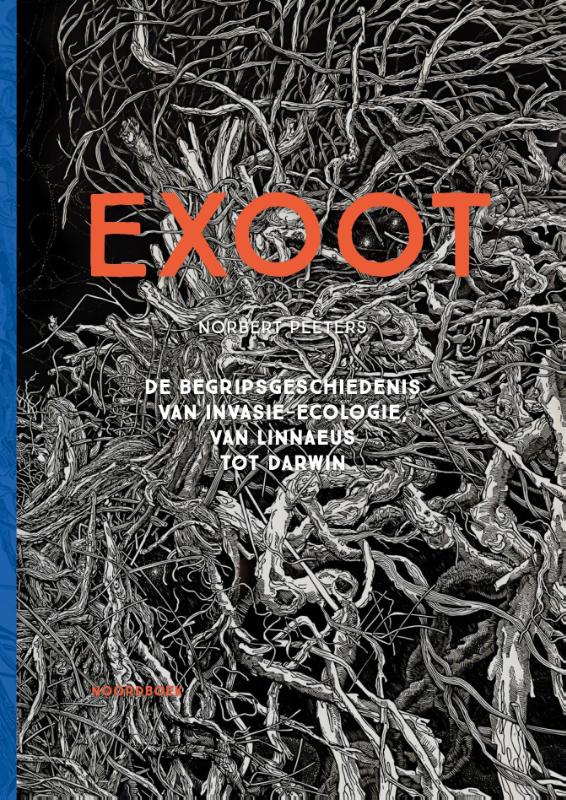
Het herkennen van een exoot berust op het besef dat er een onderscheid bestaat tussen eigen en vreemd, inheems en uitheems. Dit boek onderzoekt hoe dit besef is ontstaan, specifiek ten aanzien van planten. In de eerste eeuwen van het natuurhistorisch onderzoek werd nauwelijks aandacht besteed aan de herkomst van wilde flora. Dit veranderde drastisch in de achttiende eeuw. Aan de hand van drie sleutelmomenten in de voorgeschiedenis van de invasie-ecologie vertelt botanisch filosoof Norbert Peeters een filosofisch historisch verhaal van de exoot.
Peeters neemt de lezer mee langs beroemde natuurgeleerden als Carolus Linnaeus en Charles Darwin, die het denken over exoten ingrijpend hebben beïnvloed. Ook worden verwilderde exoten in de negentiende eeuw voor het eerst bestempeld als onkruid. Maar wel een bijzonder soort onkruid, evenals alle andere ongewenste planten op de verkeerde plaats. Voor het eerst krijgt de natuur een eigen onkruidklasse: de invasieve exoot. Met de mens als wiedende rentmeester. Gezamenlijk tonen deze momenten de ontwikkeling van het plaatsbegrip binnen de plantengeografie en de vormende werking op de latere invasie-ecologie.
Norbert Peeters studeerde archeologie en filosofie aan de Universiteit Leiden. Hij specialiseerde zich onder leiding van Th.C.W. Oudemans tot botanisch filosoof. Hij publiceerde meerdere boeken en artikelen over dit onderwerp. Momenteel is hij als docent verbonden aan Wageningen University & Research.
Gerelateerde boeken
-
Nieuw Boeren
€ 22,90In Nieuw Boeren [cursief] beschrijft Kooman tien boerenfamilies van Schiermonnikoog tot Zeeland en Limburg, die de transitie naar een nieuwe landbouw hebben ingezet. Dat is nodig ook, want de sector staat onder grote druk: regelgeving vanuit de overheid, klimaatverandering, een uitgeputte bodem, dierenwelzijn, te lage prijzen.
Wat doen deze boeren om zich van de toekomst te verzekeren? Niet wachten op de overheid, maar, op heel verschillende manieren, inspelen op de behoefte van de consument. Johan Jansen bijvoorbeeld stapt over naar een onverwacht gewas – thee –, Styn Claessens ontwikkelt een kippenschuur die duurzaam en diervriendelijk is, en een groep boeren op Schiermonnikoog keert terug naar een kleinschalig en traditioneel werkende coöperatie. Zonder bekeringsdrang, maar met boerenverstand.
Kees Kooman schreef eerder verschillende boeken over de landbouw.