
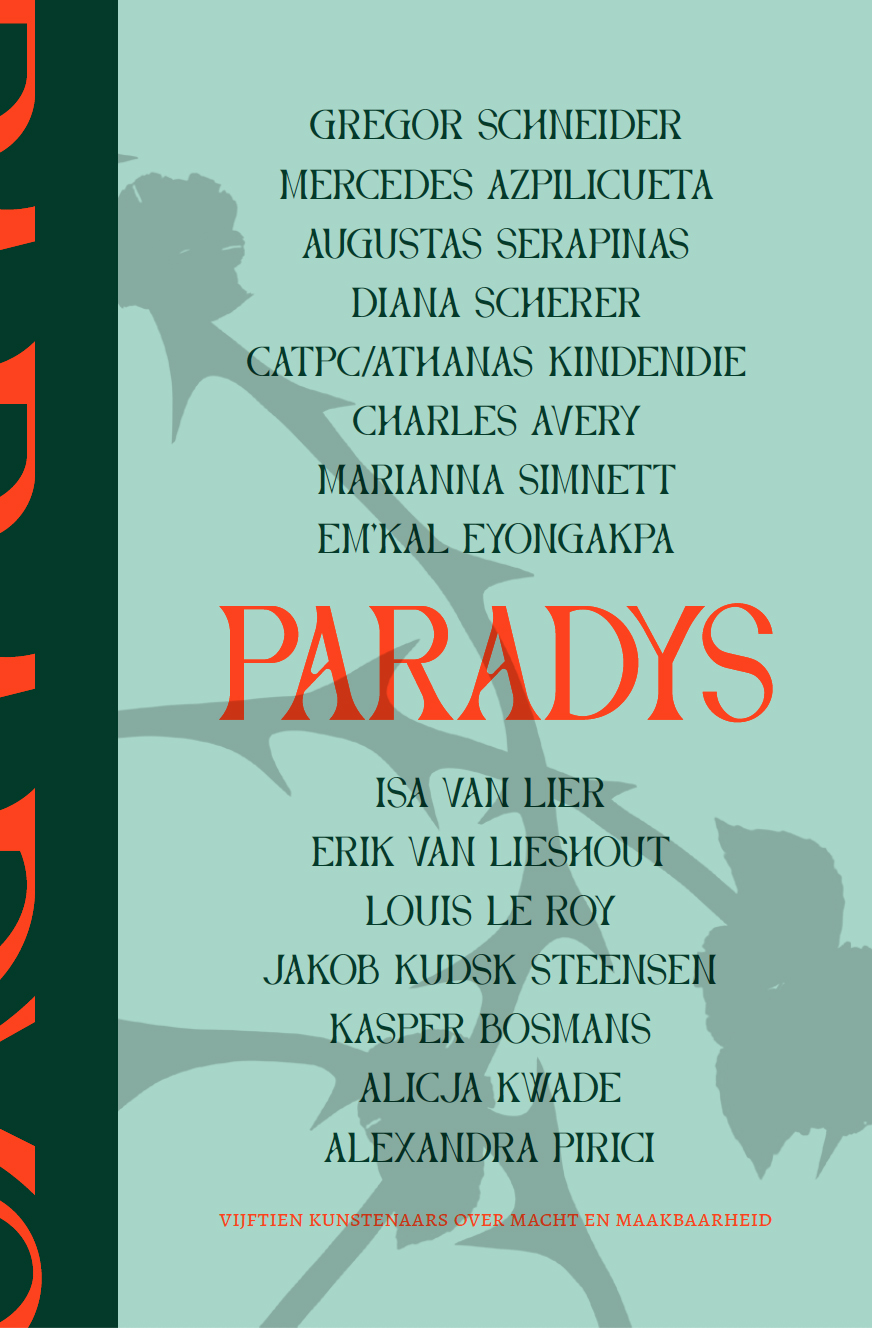
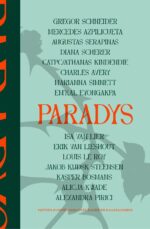
Paradys: vijftien kunstenaars over macht en maakbaarheid
€ 24,95
De mens heeft altijd al naar het paradijs gestreefd. Meestal blijft het bij een idee, een verlangen naar een perfecte wereld. Toch kwamen de Friese Nassaus er met hun Oranjewoud ooit verrassend dichtbij. Nog steeds is deze buitenplaats een oase van groen, herten en tijdloosheid.
Maar valt zo’n paradijs tegenwoordig wel te handhaven? Hoe maakbaar is de wereld nog? Voor de tentoonstelling ‘Paradys’, in 2022 te zien in Oranjewoud, vroeg artistiek leider Hans den Hartog Jager vijftien hedendaagse kunstenaars om zowel te reflecteren op de paradijselijke omgeving van dit voormalige lustoord als op de rijke geschiedenis vol machtsongelijkheid.
De artistieke resultaten en de achterliggende processen zijn gebundeld in dit boek. In prikkelende essays en verdiepende bijdragen ontdek je hoe de vijftien bijzondere kunstwerken tot stand kwamen. Zo bieden boek en tentoonstelling niet alleen nieuwe perspectieven op het reeds bestaande paradijs, maar ook op het eeuwige menselijke streven naar de hemel op aarde.
Gerelateerde boeken
-
Kunst in Games
€ 19,95In de bijna onbeperkte mogelijkheden om ‘uit te beelden’, historische werkelijkheden digitaal te verwezenlijken en fantasie om te zetten in werelden die zich hyperrealistisch voordoen, loopt de game voorop. Beter dan welke andere discipline ook is zij in staat mensen te betrekken en werelden te laten ervaren waarin werkelijkheid en fantasie, waarheid en fictie in elkaar vervloeien.
Games komen tot stand dankzij de bijdragen van honderden specialisten uit verschillende vakgebieden. Tezamen hebben zij de laatste decennia de game in technologisch maar ook beelden opzicht naar een uitzonderlijk hoog niveau weten te tillen.
Het boek ‘Kunst in Games’ blikt terug op vijftig jaar innovatie, maar schenkt vooral aandacht aan laatste ontwikkelingen en aan het werk van een toonaangevende kunstenaars binnen de game industrie.
-
Zeven eeuwen Allersmaborg
€ 32,50Zeven eeuwen Allersmaborg
Annette van der Post en Henk Th. van VeenVerscholen tussen de bomen in het Reitdiepdal bij Ezinge ligt de historische borg Allersma. Een statig maar sober gebouw met een lange en rijke geschiedenis, die in dit boek voor het eerst wordt beschreven.
Zeven eeuwen Allersmaborg schetst de levens van voorname Ommelander families die er permanent woonden en van Groninger regenten die in stadpaleizen resideerden en Allersma koesterden als hun buitenverblijf. Veel markante eigenaars en bewoners vanaf de middeleeuwen tot de twintigste eeuw passeren de revue: jonkheren, notarissen, gepensioneerde boeren en kunstenaars.
In de tweede helft van de twintigste eeuw ontwikkelde Allersma zich tot een artistieke broedplek door de gastvrijheid van het kunstenaarsechtpaar Martin Tissing en Annie Vriezen. Nationaal en internationaal opererende kunstenaars laafden zich er aan de betoverende atmosfeer. -
Art Nouveau in Nederland
€ 49,90De bloeitijd van de Art Nouveau rond het fin de siècle was kort maar hevig. Na jarenlang een buitenbeentje in de Nederlandse bouwkunst te zijn geweest, kwam in de jaren zestig de herwaardering voor de Art Nouveau op gang. Inmiddels wordt het belang van Art Nouveau voor de ontwikkeling van de bouwkunst algemeen erkend en neemt de interesse voor deze bijzondere, flamboyante stroming in de architectuur toe. In Art Nouveau in Nederland neemt Bé Lamberts u mee langs een groot aantal opmerkelijke zaken, die aansporen om bijzondere architectuur ter plekke te bekijken en die verwondering oproepen over dit waardevolle, maar zo kwetsbare erfgoed.
Bé Lamberts studeerde kunst- en architectuurgeschiedenis aan de Rijksuniversiteit Groningen. Hij werkte als onderzoeker en medewerker monumentenzorg bij diverse overheidsinstellingen en organisaties.
-
Paradys: vijftien kunstenaars over macht en maakbaarheid
€ 24,95De mens heeft altijd al naar het paradijs gestreefd. Meestal blijft het bij een idee, een verlangen naar een perfecte wereld. Toch kwamen de Friese Nassaus er met hun Oranjewoud ooit verrassend dichtbij. Nog steeds is deze buitenplaats een oase van groen, herten en tijdloosheid.
Maar valt zo’n paradijs tegenwoordig wel te handhaven? Hoe maakbaar is de wereld nog? Voor de tentoonstelling ‘Paradys’, in 2022 te zien in Oranjewoud, vroeg artistiek leider Hans den Hartog Jager vijftien hedendaagse kunstenaars om zowel te reflecteren op de paradijselijke omgeving van dit voormalige lustoord als op de rijke geschiedenis vol machtsongelijkheid.
De artistieke resultaten en de achterliggende processen zijn gebundeld in dit boek. In prikkelende essays en verdiepende bijdragen ontdek je hoe de vijftien bijzondere kunstwerken tot stand kwamen. Zo bieden boek en tentoonstelling niet alleen nieuwe perspectieven op het reeds bestaande paradijs, maar ook op het eeuwige menselijke streven naar de hemel op aarde.
Auteur: Grytsje Klijnstra (red.), Esther Darley, Hans den Hartog Jager, Thomas van Huut, Bert Looper