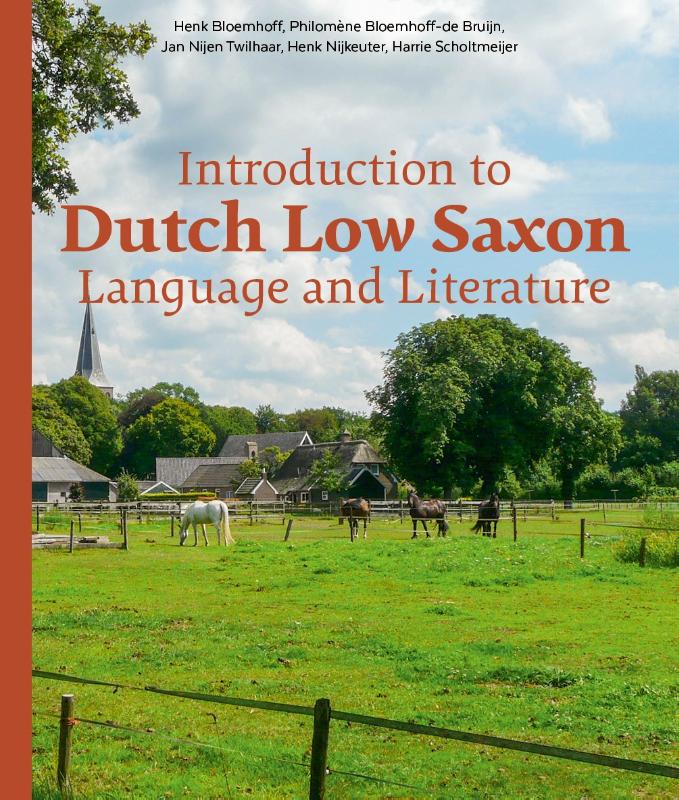
Introduction to Dutch Low Saxon Language and Literature
€ 26,50
In 2018, Dutch Low Saxon received national recognition as a full-fledged language in its own right.
In “Introduction to Dutch Low Saxon”, five experts offer a concise yet multifaceted description of Gronings, Drents, Stellingwerfs, Sallands, Twents, Achterhoeks, and Veluws.
The authors cover the sounds, word forms, syntactic characteristics, as well as large-scale dictionary projects. In addition, ample attention is paid to the position the language occupies in society, and to the command and usage of Dutch Low Saxon.
The development of knowledge about Dutch Low Saxon, encouragement to use it, and also preservation of the language are matters that mainly take place in the various regions. This book offers plenty of information on these aspects, and also on the institutes and organisations that deal with Dutch Low Saxon.
Dutch Low Saxon literature is clearly presented on the basis of periods and regions, and the list of sources invites the reader to further delve into the wonders of this centuries-old language.
“Introduction to Dutch Low Saxon” is aimed at people with a general interest in regional languages. This book allows students of Dutch, German and Frisian to raise their knowledge to a higher level. This book may also serve to supplement the knowledge of Dutch Low Saxon of people who work at (regional) language institutes.
Gerelateerde boeken
-
-
-
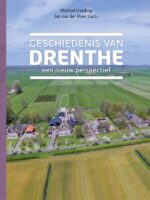
Geschiedenis van Drenthe
€ 39,50Drenthe treedt omstreeks 800 de geschiedenis binnen als in een officieel stuk de naam ‘Threant’ (Drenthe) wordt gebruikt. Gedurende de volgende 700 jaar is Drenthe het speelveld van onder andere de bisschop van Utrecht, de kasteelheer van Coevorden, horige boeren en een enkele handelaar.
Karel V van Habsburg maakt in 1536 Drenthe een onderdeel van de Lage Landen of de Nederlanden en als zodanig raakt het betrokken bij de Opstand tegen Spanje. In de Republiek der Zeven Verenigde Nederlanden die hieruit voortvloeit, telt Drenthe nauwelijks mee.
Pas rond 1800 wordt Drenthe een provincie. De vervening komt vol op gang en kanalen met allerlei vertakkingen doorsnijden het gewest. Verharde wegen, ‘ijzeren’ spoor- en tramwegen leggen Drenthe op een heel andere manier open. Ontginningen en bosaanplant toveren een ander landschap tevoorschijn.
Het gaat goed met Drenthe, maar de twintigste eeuw brengt grote veranderingen. Steenkool maakt turf overbodig, twee Wereldoorlogen en verschillende crises sturen de boel grondig in de war. Na 1945 krabbelt Drenthe weer op neemt onder andere het toerisme een hoge vlucht.Geschiedenis van Drenthe – Een nieuw perspectief geeft een overzicht van de meeste recente kennis en inzichten over de Drentse historie en is onmisbaar voor inwoners van Drenthe die meer willen weten over de geschiedenis van hun provincie. Daarnaast geeft het iedereen die geïnteresseerd is in de historie van Nederland een bijzonder beeld van de geschiedenis van de mooiste provincie van Nederland. Het boek is op een aantrekkelijke en toegankelijke manier geschreven en rijk geïllustreerd met foto- en kaartmateriaal.
Dr. Michiel Gerding studeerde geschiedenis in Utrecht en was meer dan 30 jaar provinciaal historicus van Drenthe. Hij is auteur van diverse boeken en werkte mee aan populaire boekenreeksen, tijdschriften en historische projecten in de provincie Drenthe. De eindredactie van het boek is verzorgd door dr. Jan van der Meer.
-
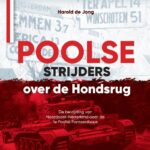
Poolse strijders over de Hondsrug
De bevrijding van Noordoost-Nederland door de 1e Poolse Pantserdivisie€ 25,00
Poolse strijders over de Hondsrug
€ 25,00In Poolse strijders over de Hondsrug werpt auteur Harold de Jong een licht op een vaak onderbelicht aspect van de Tweede Wereldoorlog: de heldhaftige inzet van de 1e Poolse Pantserdivisie onder leiding van Generaal Maczek, en hun cruciale rol bij de bevrijding van Noordoost Nederland.
Harold de Jong schetst in dit boek een gedetailleerd beeld van de moed, vastberadenheid en opoffering van deze Poolse strijders, terwijl ze vastberaden oprukken over de uitgestrekte Hondsrug. Dit historische verhaal wordt verweven met nieuw kaartmateriaal, gedetailleerde beschrijvingen en nauwkeurig onderzoek en vormt het een nieuw naslagwerk over de strijd die de Poolse strijders in het noorden van Nederland hebben gevoerd.
Poolse strijders over de Hondsrug is een eerbetoon aan de dappere mannen en vrouwen die hun leven waagden in de strijd tegen de onderdrukkers. Het onthult de intense strijd, de ontberingen en de triomfen van de Poolse soldaten terwijl ze vechten voor vrijheid en gerechtigheid in een verwoest Europa. Het vertelt ook het verhaal van kamp Oberlangen, een krijgsgevangenenkamp net over de Nederlandse grens, waar 1.728 Poolse vrouwen wachten op hun bevrijding.
Poolse strijders over de Hondsrug gaat verder dan het beschrijven van een historisch evenement; het is een meeslepend verhaal van menselijke veerkracht, opoffering en doorzettingsvermogen. Het herinnert ons aan de immense offers die zijn gebracht om de vrijheid te herwinnen en eert degenen die hun leven hebben gewaagd voor onze vrijheid.