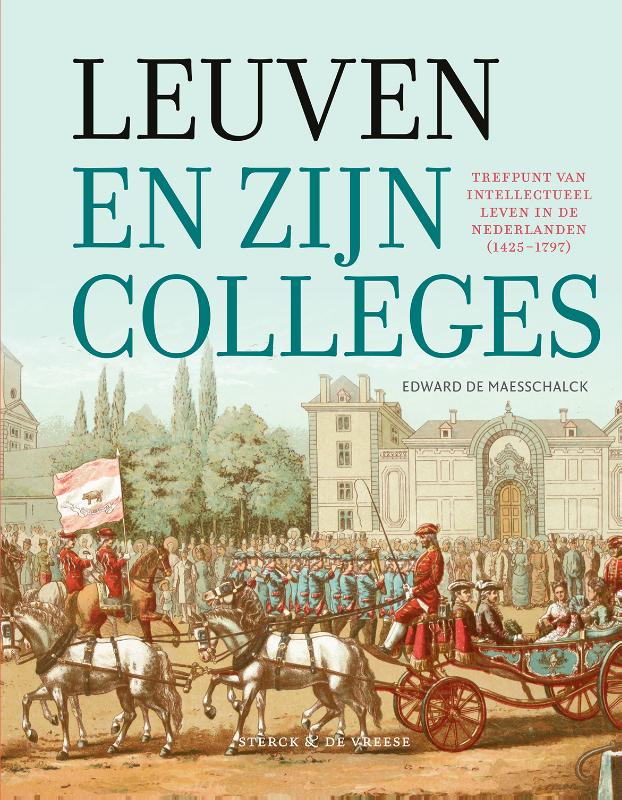
Leuven en zijn colleges
€ 29,90
Studenten komen al eeuwenlang uit alle windstreken van de Lage Landen naar de Katholieke Universiteit Leuven (gesticht in 1425). Van Artesië in het zuiden tot Friesland in het noorden. Filips Willem, zoon van Willem van Oranje, Marnix van Sint-Aldegonde, Johan van Oldenbarnevelt, Erasmus, Dodoens, Vesalius, Mercator, zelfs paus Adrianus van Utrecht, zaten er op de studiebanken. Leuven was hét trefpunt van het intellectuele leven in de Nederlanden. Edward De Maesschalck geeft een verrassend en vernieuwend beeld van een tot nu toe onderbelicht maar belangrijk facet van de universiteitsgeschiedenis: de colleges. Deze werden gesticht door weldoeners die hun bezittingen voorbestemden om tot ver na hun dood te voorzien in de kost en inwoning voor familieleden, streekgenoten of gewoon voor arme studenten. Het was mecenaat avant-la-lettre, een zeldzame kans om de maatschappelijke ladder te beklimmen.
Gerelateerde boeken
-
-
Ferdban
€ 49,90De Oudfriese oorkonden in Ferdban weerspiegelen het dagelijkse leven van gewone mensen en van de allerrijksten en allermachtigsten in Friesland. Ze gaan ook over zaken als vete en vrijheidsstrijd, de veelzijdige activiteiten van kloosters, de groeiende invloed van steden en de bijzondere positie van Ameland. Ze laten bovendien de transformatie van Friesland zien in de jaren kort na 1500, toen de roemruchte, maar in crisis verkerende Friese vrijheid werd afgelost door een strakke, maar tegelijk vernieuwende vorstenheerschappij. Een veelzijdiger inkijk in de Friese maatschappij in het herfsttij van de middeleeuwen en het prille begin van de nieuwe tijd is nauwelijks voorstelbaar.
Oebele Vries is historicus en gezaghebbend kenner van het Oudfries. Hij was universitair docent aan de Rijksuniversiteit Groningen en is nu gastonderzoeker bij de Fryske Akademy. Van zijn hand verscheen eerder Asega, is het dingtijd?, waarin hoogtepunten uit de Oudfriese wetsteksten centraal staan.
-
Karel de Grote
€ 24,99Een historische figuur die tot op vandaag tot de verbeelding spreekt.
Karel de Grote leefde zo’n 12 eeuwen geleden, en toch is hij nog steeds prominent aanwezig in het collectief geheugen: als koning der Franken, als Frankisch keizer van de christelijke wereld, als vader van Europa. Een brugfiguur in een tijd waarin een oude wereld aftakelde en een nieuwe beschaving aarzelend haar eerste passen zette.
Ook in zijn eigen tijd sprak Karel de Grote tot de verbeelding. Zijn lange gestalte – hij was uitzonderlijk groot voor die tijd – en zijn hoge leeftijd, gaven voeding aan talloze verhalen. Het mythische beeld van de dappere, grootse vorst dreigt daarom de historische werkelijkheid te overschaduwen.
Raoul Bauer gaat als een volleerde onderzoeker te werk: de recentste historische inzichten houdt hij tegen het licht, hij nuanceert en verwijst fabels of onbetrouwbare bronnen naar de prullenbak. Bauer volgt Karel de Grote tijdens zijn veldtochten, als bestuurder van een immens rijk, is aanwezig bij zijn keizerskroning op die memorabele 25ste december van het jaar 800, gaat met hem mee in zijn zoektocht naar kennis en ontmoet hem ten slotte als een bezorgde familievader die geen afstand kan doen van zijn dochters en weent om zijn gestorven zonen. We krijgen in dit boek ‘de ware’ Karel de Grote te zien.
Raoul Bauer, historicus en doctor in de letteren, is emeritus hoogleraar cultuurgeschiedenis in de Associatie van de K.U.Leuven. Hij publiceerde verschillende boeken over de vroege middeleeuwen.
Voor iedereen die meer te weten wil komen over Karel de Grote en zijn tijd is dit boek dan ook zeker aan te raden. — Acta Historica