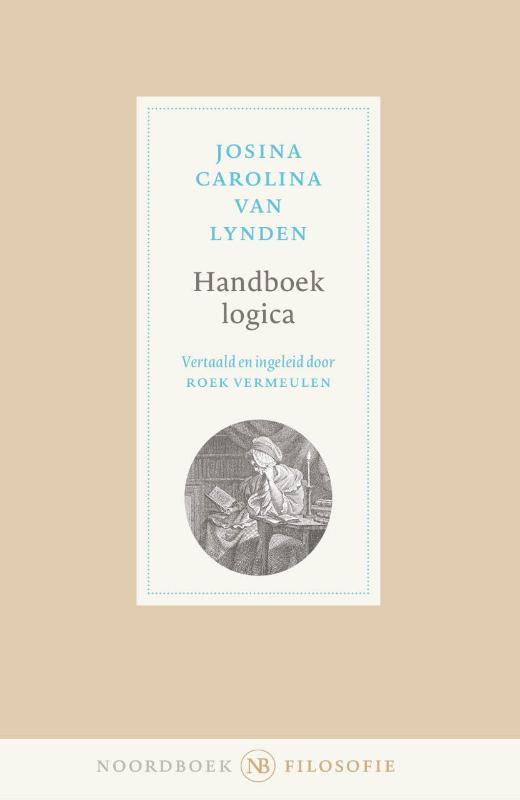
Handboek logica
€ 24,90
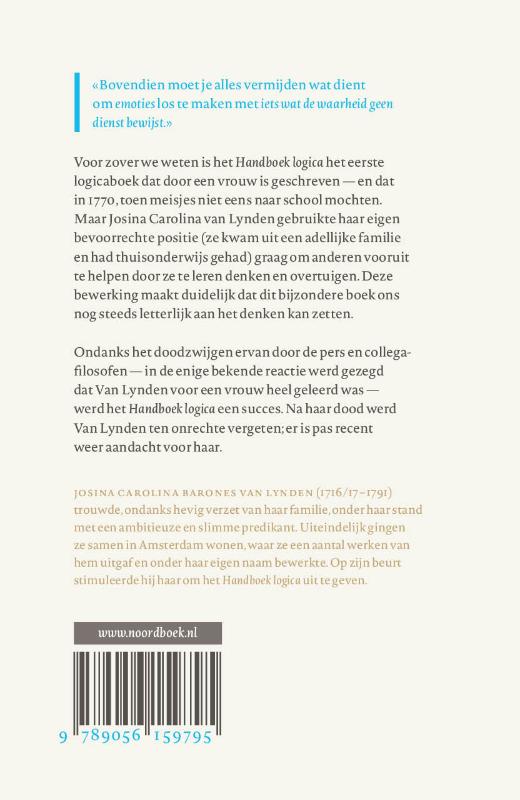
Voor zover we weten is het Handboek logica het eerste logicaboek dat door een vrouw is geschreven — en dat in 1770, toen meisjes niet eens naar school mochten. Maar Josina Carolina van Lynden gebruikte haar eigen bevoorrechte positie (ze kwam uit een adellijke familie en had thuisonderwijs gehad) graag om anderen vooruit te helpen door ze te leren denken en overtuigen. Deze bewerking maakt duidelijk dat dit bijzondere boek ons nog steeds letterlijk aan het denken kan zetten.
Ondanks het doodzwijgen ervan door de pers en collega-filosofen — in de enige bekende reactie werd gezegd dat Van Lynden voor een vrouw heel geleerd was — werd het Handboek logica een succes. Na haar dood werd Van Lynden ten onrechte vergeten; er is pas recent weer aandacht voor haar.
Josina Carolina barones van Lynden (1716 /17 – 1791) trouwde, ondanks hevig verzet van haar familie, onder haar stand met een ambitieuze en slimme predikant. Uiteindelijk gingen ze samen in Amsterdam wonen, waar ze een aantal werken van hem uitgaf en onder haar eigen naam bewerkte. Op zijn beurt stimuleerde hij haar om het Handboek logica uit te geven.
Gerelateerde boeken
-
-
-
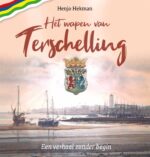
Het wapen van Terschelling
€ 35,00Het wapen van Terschelling is meer dan alleen een heraldisch symbool; het is een intrigerend stukje geschiedenis dat het eiland Terschelling verbindt met een vergeten wereld. Het idee voor dit boek ontstond tijdens een rondleiding die de schrijver Henjo Hekman als gids in Midsland verzorgde. Toen een van de bezoekers hem vroeg wat het wapen van Terschelling betekende, kon hij geen bevredigend antwoord geven. Dit moment diende als inspiratie om op ontdekkingsreis te gaan, met als resultaat dit fascinerende boek dat een unieke en boeiende kijk op de geschiedenis van het eiland Terschelling.
‘Het wapen van Terschelling, een verhaal zonder begin’ belicht de ongrijpbare geschiedenis van het wapen en de voortdurende evolutie van de afbeelding en betekenis ervan door de eeuwen heen. De herkomst van het wapen blijft omhuld in raadsels. Dit boek biedt niet enkel een verklaring, maar het prikkelt de nieuwsgierigheid en nodigt lezers uit om met de auteur op zoek te gaan naar antwoorden op vragen die mogelijk onbeantwoord zullen blijven. Juist deze raadselachtigheid maakt de geschiedenis van het wapen van Terschelling des te boeiender en relevant voor ons begrip van het huidige Terschelling.