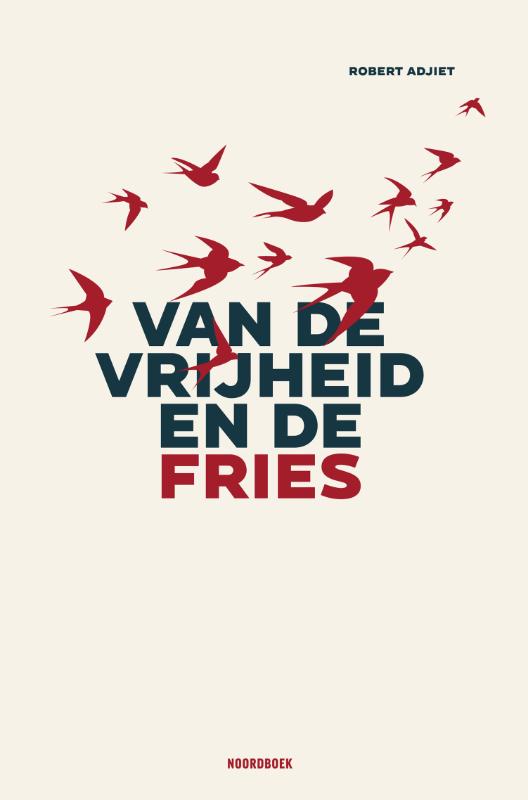
Van de vrijheid en de Fries
€ 22,90
De legendarische koning Friso en vrijheidsstrijders Magnus en Grutte Pier vochten voor de Friese vrijheid. Want ‘Leaver dea as slaef’ (Liever dood dan slaaf). De strijdbijl is begraven. Toch streeft een deel van de Friezen tot op de dag van vandaag naar vrijheid en onafhankelijkheid. Wie waren en zijn die Friezen? En wat is vrijheid?
Robert Adjiet beantwoordt deze vragen via een mix van historische, mythische, filosofische, politieke, kunstzinnige en etymologische beschouwingen.
Een boek voor iedereen die met de Friezen wil meedenken over de vraag wat vrijheid ten diepste is.
Gerelateerde boeken
-
Vrije staatkundige stellingen
€ 19,90Vrijheid, gelijkheid en broederschap. Die termen associëren we met de Franse Revolutie. Toch zijn deze begrippen ouder. Ze komen al op deze wijze voor in de Vrije Politieke Stellingen van de Nederlandse filosoof Franciscus van den Enden, de leraar van Spinoza. Het betreft een radicaal Verlichtingsgeschrift uit 1665 waarin de auteur pleit voor ‘evengelijkheid’, zowel in het recht en de economie als in de politiek.
Van den Enden beschrijft de ideale republikeinse democratie, waarin zo veel mogelijk burgers onderwijs krijgen en stemrecht hebben. Ook pleit hij voor vrijheid van seksualiteit. Voor het eerst wordt deze opmerkelijk vlot geschreven tekst hier in modern Nederlands gepresenteerd, met een inleiding door de Britse Verlichtingsexpert Jonathan Israel.Franciscus van den Enden runde de Latijnse school in Amsterdam. Toen hij een lesverbod kreeg, nam zijn leven een spannende wending. Hij raakte betrokken bij een complot tegen Lodewijk XIV. Zijn moordplan lekte uit en hij eindigde aan de galg in Parijs. Zijn geschriften zijn lang zoek geweest. Pas enkele decennia geleden werd duidelijk dat hij de auteur was van de Vrije Politieke Stellingen.
Hertaling: Corinna Vermeulen -
-
-
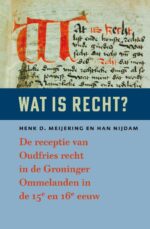
Wat is recht?
De receptie van Oudfries recht in de Groninger Ommelanden in de 15e en 16e eeuw€ 39,90
Wat is recht?
€ 39,90In de middeleeuwen maakten ook de Groninger Ommelanden deel uit van het Friese rechtsgebied, dat zich uitstrekte van het Vlie (nu het IJsselmeer) tot aan de Wezer in Duitsland. Vanaf de 12e eeuw is het recht daarvan op schrift gesteld, oorspronkelijk in het Oudfries. Vanaf het begin van de 15e eeuw was de schrijftaal in de Ommelanden het Nederduits (Nedersaksisch), met als gevolg dat de rechtsbronnen vertaald moesten worden. Deze vertalingen zijn in talrijke handschriften uit de late middeleeuwen en de vroegmoderne tijd overgeleverd. Zij zijn goed ingepast in het Groninger recht, en geven tevens een beeld van hun Oudfriese bronnen. In deze studie wordt een belangrijk tekstcorpus daaruit ontsloten.
Henk Meijering is emeritus hoogleraar Fries en Duits aan de Vrije Universiteit en verbonden als gastonderzoeker aan de Fryske Akademy in Leeuwarden.
Han Nijdam is onderzoeker op het terrein van het Oudfries en het Oudfriese recht aan de Fryske Akademy in Leeuwarden.