Wat is recht?
€ 39,90
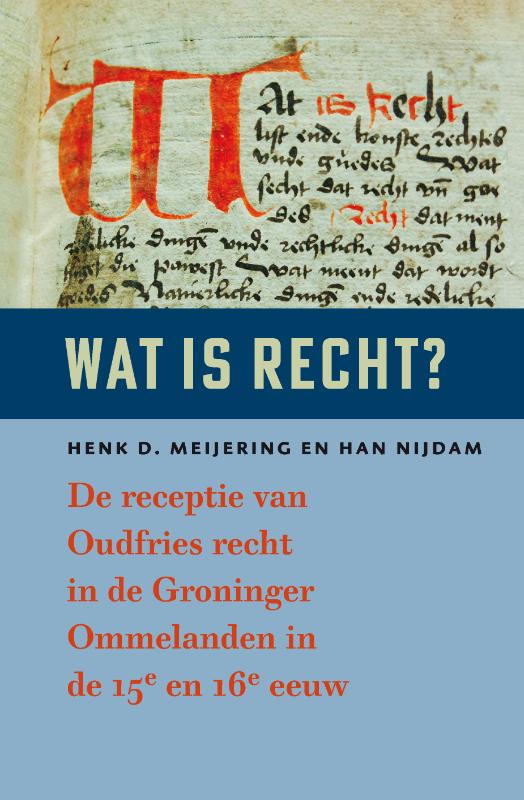
In de middeleeuwen maakten ook de Groninger Ommelanden deel uit van het Friese rechtsgebied, dat zich uitstrekte van het Vlie (nu het IJsselmeer) tot aan de Wezer in Duitsland. Vanaf de 12e eeuw is het recht daarvan op schrift gesteld, oorspronkelijk in het Oudfries. Vanaf het begin van de 15e eeuw was de schrijftaal in de Ommelanden het Nederduits (Nedersaksisch), met als gevolg dat de rechtsbronnen vertaald moesten worden. Deze vertalingen zijn in talrijke handschriften uit de late middeleeuwen en de vroegmoderne tijd overgeleverd. Zij zijn goed ingepast in het Groninger recht, en geven tevens een beeld van hun Oudfriese bronnen. In deze studie wordt een belangrijk tekstcorpus daaruit ontsloten.
Henk Meijering is emeritus hoogleraar Fries en Duits aan de Vrije Universiteit en verbonden als gastonderzoeker aan de Fryske Akademy in Leeuwarden.
Han Nijdam is onderzoeker op het terrein van het Oudfries en het Oudfriese recht aan de Fryske Akademy in Leeuwarden.
Gerelateerde boeken
-
-
De papegaai is niet dood
Geheim agenten Albert Deweer, Albert Mélot en Albert Wouters-Gent 1944€ 27,50
De papegaai is niet dood
€ 27,50Gent 1944
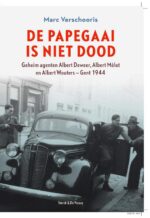
Marc Verschooris, geassocieerd onderzoeker bij het CEGESOMA, haalt drie geheim agenten voor het voetlicht: Albert Deweer, Albert Mélot en Albert Wouters. Op basis van tal van tot nu toe onbekende archiefstukken, ook familie-archieven, reconstrueert hij hun verzetsdaden. Vele nooit eerder gepubliceerde foto’s tonen de onverschrokken helden van toen.
Geheim agent Albert Mélot wordt geparachuteerd op 11 april 1944 en krijgt Gent als werkterrein. In de donkere nacht van de ‘nieuwe maan van mei’ springt ook zijn marconist, Albert Wouters, uit het vliegtuig. Een week na D-Day is het over en uit voor Mélot: de Duitsers brengen hem naar de Gentse gevangenis waar nog een ander geheim agent gevangenzit: Albert Deweer.
Het verzet wil beiden koste wat kost bevrijden. Op 15 juli 1944 wordt Mélot bevrijd uit een Duitse gevangeniswagen in de Gentse Papegaaistraat. De gevolgen van deze daad zijn dramatisch. Ongeveer 100 mensen, onder wie de familie Mélot, worden opgepakt. Een groot deel wordt in concentratiekampen vastgezet. De dodentol bedraagt ongeveer zestig personen.
Albert Deweer komt vrij door omkoping. Het geld wordt ter beschikking gesteld door een economische collaborateur die op een toekomstige clementie rekent. In oktober 1945 zal Deweer zijn ‘redder’, ter dood veroordeeld, op een spectaculaire manier uit dezelfde gevangenis halen en naar Frankrijk brengen waar hij als uitvinder geschiedenis zal schrijven.
Albert Wouters heeft minder geluk. In de eerste bevrijdingsmaand en met de radio op pad, treft hij de allerlaatste Duitsers, die hem genadeloos doden.
Met meer dan 100 foto’s, vaak niet eerder gepubliceerd
-