De Historia Naturalis
€ 69,95
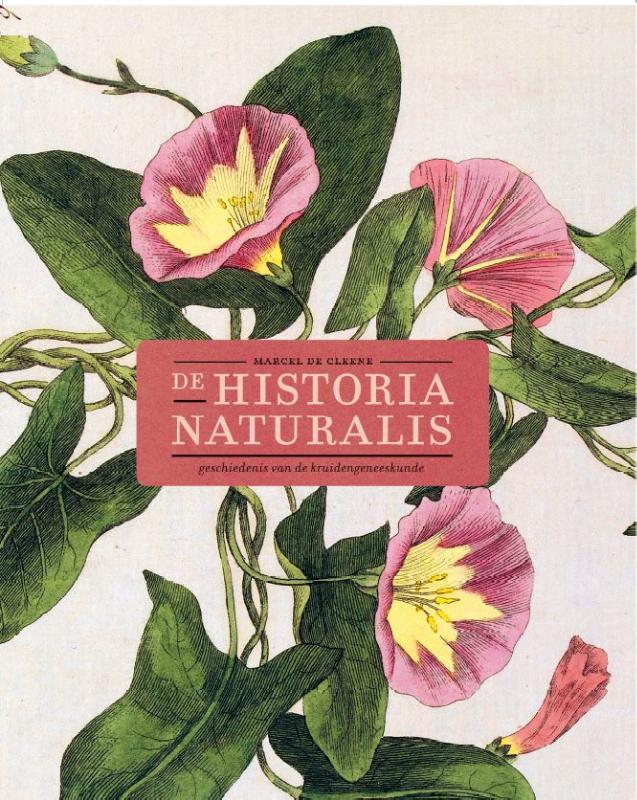
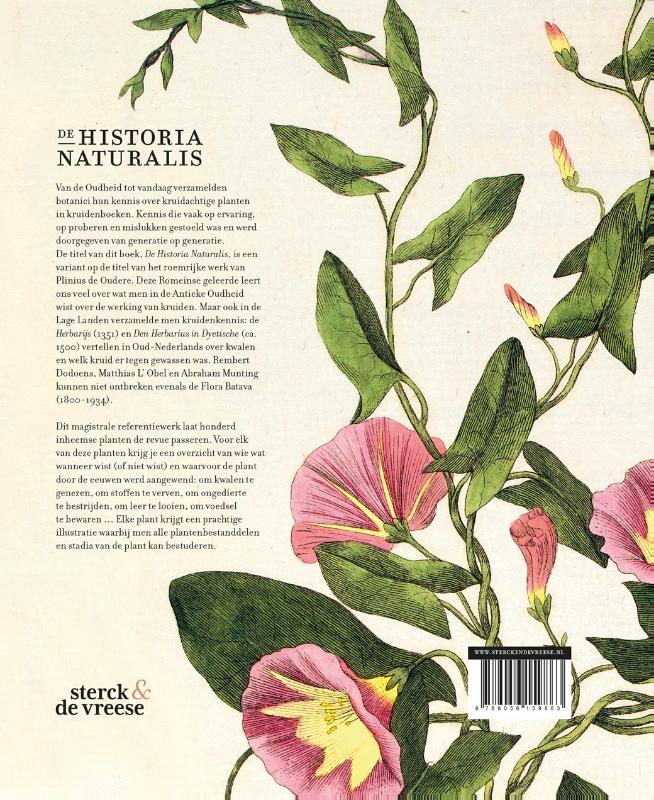
Dit magistrale referentiewerk laat honderd inheemse planten de revue passeren. Voor elk van deze planten krijg je een overzicht van wie wat wanneer wist (of niet wist) en waarvoor de plant door de eeuwen werd aangewend: om kwalen te genezen, om stoffen te verven, om ongedierte te bestrijden, om leer te looien, om voedsel te bewaren … Elke plant krijgt een prachtige illustratie waarbij men alle plantenbestanddelen en stadia van de plant kan bestuderen.
Emeritus prof. dr. Marcel De Cleene is plantenfysioloog. Hij was werkzaam aan de Universiteit Gent. Naast 150 wetenschappelijke publicaties heeft hij ook boeken geschreven over de relatie natuur/ cultuur.
—-
‘Dit referentiewerk laat ruim honderd inheemse planten de revue passeren. Voor elk van deze planten krijgt de lezer een overzicht van wie wat wanneer wist (of niet wist) en waarvoor de plant door de eeuwen heen werd aangewend: om kwalen te genezen, stoffen te verven, ongedierte te bestrijden, leer te looien, of voedsel te bewaren.’ – Groen Vandaag.
‘De Cleenes imposante boek is niet alleen onontkoombaar als historisch en farmacologisch naslagwerk, maar bovendien een kunstobject stijlvol vormgegeven met prachtige aquarellen uit negentiende-eeuwse plantenatlassen.’ – De Apothekerskrant
‘Een prachtig cadeau voor iedere plantenen geschiedenisliefhebber.’ – Onder de bomen.
Gerelateerde boeken
-
De Kleine Gids voor de niet-bestaande vogels van Europa
€ 14,90Kunstenaar en amateurornitholoog O.C. Hooymeijer begeeft zich met het uitgeven van deze ‘Kleine Gids voor de niet-bestaande vogels van Europa’ op een voor hem nieuw terrein. Jarenlang veldwerk en onderzoek gingen vooraf aan het uiteindelijke resultaat: de beschrijving èn gedetailleerde illustraties van zo’n kleine vijftig gevederde vrienden. De auteur heeft een en ander zo getrouw als mogelijk weergegeven, doch er kunnen verschillen met de werkelijkheid optreden.
Momenteel is Hooymeijer bezig met het organiseren van geheel verzorgde reizen door Europa naar de leefgebieden van de in deze gids beschreven niet-bestaande vogels.Recensies:
Vlaardings Dagblad: ‘Een absolute must voor elke vogel- en kunstliefhebber’
De Oosterkerker Bode: ‘Beschrijvingen raak,illustraties zeer goed getroffen’
Natuur, Vis en Vogel: ‘Hooymeijer weet de lezer èn de kijker voor zich te winnen’ -
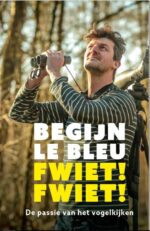
Fwiet! Fwiet!
€ 22,90Begijn Le Bleu is een bekend cabaretier, maar zijn grote passie is vogels kijken. In Fwiet! Fwiet! verkent hij met zijn fijne pen de wonderlijke wereld van vogels en vogelaars. Je leert waarom de frêle pootjes van vogels niet bevriezen, waaraan de snip zijn naam dankt, wat takkelingen zijn of honkmannen. En er is meer. Begijn is een meester van het woord. Hij maakt je deelgenoot van zijn ervaringen én zijn passie. Wanneer hij beschrijft hoe een rietzangertje als een acrobaat zit te wiegen op een rietstengel, begrijp je zijn verwondering over zoveel eenvoudige schoonheid. Je hebt spijt dat je niet zelf de groenling ziet wegfladderen als een vliegend kleurboekje van groene en gele spatten.
In dit boek zijn QR-codes opgenomen die leiden naar de succesvolle podcast-reeks Fwiet! Fwiet! Urenlang luisterplezier voor vogelaars, natuurliefhebbers en iedereen die meer willen weten over alles wat vliegt en veren heeft.
Begijn Le Bleu won in 2005 de jury- en publieksprijs van het cabaretfestival Cameretten in Rotterdam. Het was de start van een succesvolle carrière als stand-up comedian en cabaretier. -
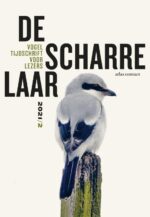
De scharrelaar 2021/2
€ 14,99Herfst, een nieuwe Scharrelaar! De herfsteditie van De scharrelaar staat weer boordevol met gedichten, verhalen en beschouwingen over vogels in binnen- en buitenland.
Najaar. De vogels trekken naar warmere oorden en de lezers van De scharrelaar zoeken de haard weer op. Niks verwarmt de mens zo goed als de herfsteditie van De scharrelaar! Ook deze editie staat weer boordevol met gedichten, verhalen en beschouwingen over vogels in binnen- en buitenland. Niks is te gek, alles mag, als het maar goed geschreven is en over vogels gaat. Laat de wintergasten maar komen.
NBD Biblion
Recensie‘Heerlijk leesbare verhalen over vogels en alles eromheen.’ – NBD Biblion
-