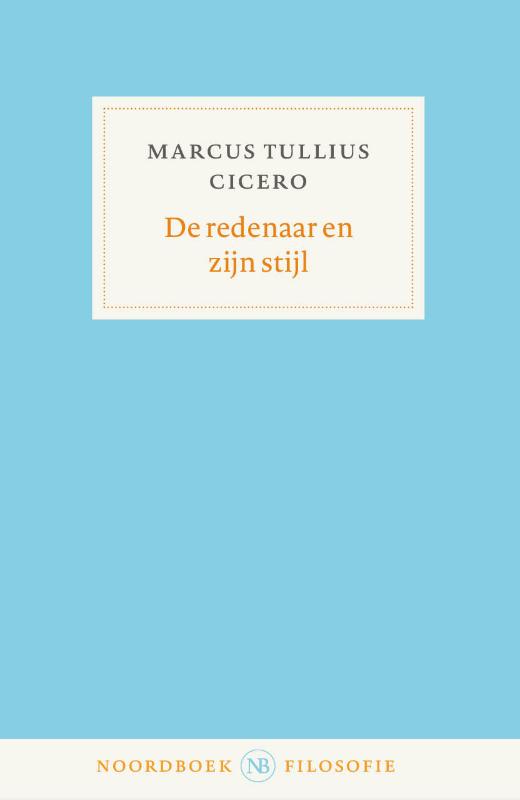
De redenaar en zijn stijl
€ 22,90
Uitgedaagd door zijn vriend Brutus schrijft Cicero in 46 voor Christus een laatste boek over de kunst van het spreken. Nog eenmaal ontwerpt hij een portret van zijn ideale redenaar. Die is vindingrijk, spreekt samenhangend en fraai, en biedt een levendige voordracht. Zo kan hij het publiek raken, overtuigen en in vervoering brengen. Speciale aandacht gaat uit naar stijlmiddelen, zoals klankeffecten. Uniek in dit boek is Cicero’s gedetailleerde analyse van prozaritme: het gebruik van ritmische patronen om zinnen fraai af te ronden.
Cicero schreef de verhandeling als een vervolg op het eerder bij Noordboek verschenen Romeinse redenaars, eveneens ingeleid door Rogier van der Wal en vertaald door Vincent Hunink.
Marcus Tullius Cicero (106 v.Chr – 43 v.Chr.) was een Romeins redenaar, politicus, advocaat en filosoof. Zijn leven speelde zich af tijdens de overgang van de Romeinse Republiek naar het keizerrijk.
Gerelateerde boeken
-
-
-
Al Andalus 711-1494
€ 32,90In de achtste eeuw veroveren de moslims het Iberisch schiereiland Spanje. Al-Andalus (Arabisch Spanje) groeit uit tot een zelfstandig kalifaat met een grote welvaart. Drie eeuwen later heroveren de christenen het gebied in een strijd die bekend staat als de ‘reconquista’. Toledo, Cordoba en Sevilla worden één voor één ingenomen. Na ca. achthonderd jaar valt in 1492 het doek definitief voor Al-Andalus als de katholieke koningen Ferdinand en Isabella het emiraat Granada inlijven bij de rest van Spanje.
Tijdens die acht eeuwen leefden moslims, joden en christenen samen. Vreedzaam en tolerant, zoals sommigen graag geloven. Maar klopt dit met de historische werkelijkheid? Luk Corluy sloopt in dit boek deze mythe. Er was een constante spanning door wederzijdse achterdocht, burgeroorlogen tussen rivaliserende islamitische clans en achterstelling van joden en christenen. Na de herovering van Al-Andalus door de christenen gedoogden de christelijke vorsten de achtergebleven moslims en de islam, maar onder christelijk gezag. Dat was voor de meeste moslims onaanvaardbaar. Moslims en joden kregen de keuze: zich bekeren of het land verlaten. De tolerantie en vreedzaamheid verdampten.
Luk Corluy studeerde filosofie, sociologie en economie en was verbonden aan het departement Economie van de KU Leuven.
-
Kloostermoppen
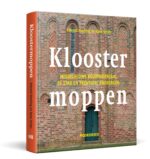
€ 35,00In de twaalfde en vooral de dertiende eeuw vestigden zich onder meer de kloosterorden van de cisterciënzers en de premonstratenzers in Noord-Nederland. Naar voorbeeld van de moederkloosters introduceerden de kloosterlingen grote bakstenen, kloostermoppen genoemd, waarmee ze vanaf het midden van de twaalfde eeuw tot in de zestiende eeuw kerken en kloosters bouwden. In dezelfde periode gebruikten ook vermogende particulieren de grote bakstenen voor de bouw van hun steenhuizen. Vanaf midden dertiende eeuw begonnen de steden zich te ontwikkelen, waarbij de bakstenen werden gebruikt voor stadsmuren en particuliere huizen. Baksteen bood de bouwheren goede mogelijkheden en was duurzamer dan de natuursteen die tot het einde van de twaalfde eeuw werd toegepast als bouwmateriaal. Klei was voor de productie en turf voor het bakken van stenen in ruime mate voorhanden in de provincie Groningen.
In Kloostermoppen, middeleeuws bouwmateriaal in stad en provincie Groningen beschrijven Edward Houting en Hans Vrijer circa 200 middeleeuwse kerken, kloosters, steenhuizen en stadsmuren. Hiermee wordt voor het eerst een uitgebreid overzicht in boekvorm gegeven van het ontstaan en de toepassing van kloostermoppen in Groningen. De uitgave is ruim geïllustreerd met foto’s, bouwtekeningen van middeleeuwse kerken en kerktorens, kaarten en oude prenten. Bovendien voert een wandeling in de binnenstad van Groningen langs zichtbare overblijfselen van middeleeuwse gebouwen.