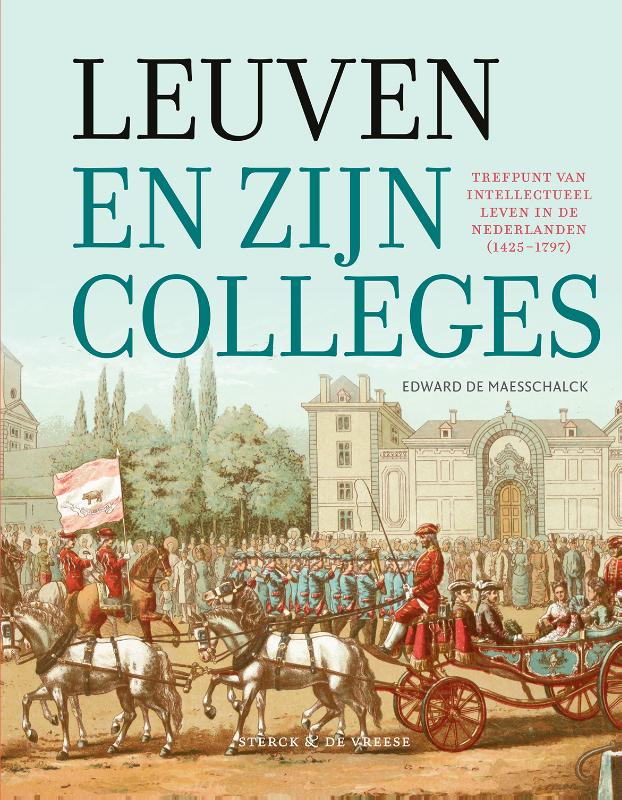
Leuven en zijn colleges
€ 29,90
Studenten komen al eeuwenlang uit alle windstreken van de Lage Landen naar de Katholieke Universiteit Leuven (gesticht in 1425). Van Artesië in het zuiden tot Friesland in het noorden. Filips Willem, zoon van Willem van Oranje, Marnix van Sint-Aldegonde, Johan van Oldenbarnevelt, Erasmus, Dodoens, Vesalius, Mercator, zelfs paus Adrianus van Utrecht, zaten er op de studiebanken. Leuven was hét trefpunt van het intellectuele leven in de Nederlanden. Edward De Maesschalck geeft een verrassend en vernieuwend beeld van een tot nu toe onderbelicht maar belangrijk facet van de universiteitsgeschiedenis: de colleges. Deze werden gesticht door weldoeners die hun bezittingen voorbestemden om tot ver na hun dood te voorzien in de kost en inwoning voor familieleden, streekgenoten of gewoon voor arme studenten. Het was mecenaat avant-la-lettre, een zeldzame kans om de maatschappelijke ladder te beklimmen.
Gerelateerde boeken
-
Landschapsbiografie Drents-Friese grensstreek
€ 30,00Ontdek de fascinerende geschiedenis en adembenemende schoonheid van de Drents-Friese Grensstreek met deze uitgebreide landschapsbiografie. Verken de prachtige natuurreservaten van het Drents-Friese Wold, het Dwingelderveld en het Holtingerveld, en laat je meevoeren door de verhalen die deze landschappen te vertellen hebben.
De Drents-Friese Grensstreek is een gebied doordrenkt van geschiedenis, gevormd door eeuwen van menselijke activiteit en de wisselwerking met de natuur. Deze landschapsbiografie neemt je mee op een reis door de tijd, van de vroege nederzettingen en het ontstaan van de agrarische cultuur tot de moderne natuurbeschermingsinspanningen.
In het Drents-Friese Wold ontdek je een uitgestrekt bosgebied dat zich uitstrekt over de provinciegrenzen heen. Hier ervaar je de serene rust van de natuur, terwijl je wandelt over kronkelende paden en langs schilderachtige vennetjes. Leer over de invloed van de mens op dit gebied, van de ontginningen in de Middeleeuwen tot de huidige inspanningen om de biodiversiteit te behouden.Het Dwingelderveld, een nationaal park en het grootste aaneengesloten natte heidegebied van West-Europa, biedt een spectaculaire weergave van de oeroude Drentse landschappen. Wandel over de uitgestrekte heidevelden, bewonder de zeldzame planten en dieren die hier gedijen en ontdek de sporen van menselijke bewoning die teruggaan tot de prehistorie.
Het Holtingerveld, gelegen aan de zuidelijke rand van het Drents-Friese Wold, verrast met zijn unieke combinatie van bossen, heide en stuifzand. Hier vind je een rijkdom aan archeologische overblijfselen, waaronder hunebedden en grafheuvels, die getuigen van de langdurige menselijke aanwezigheid in dit gebied.
Deze landschapsbiografie neemt je mee op ontdekkingsreis door de Drents-Friese Grensstreek en biedt diepgaande inzichten in de geologische processen, ecologische systemen en historische ontwikkelingen die dit gebied hebben gevormd. Aan de hand van levendige beschrijvingen, prachtige foto’s en boeiende verhalen wordt de rijke geschiedenis van deze regio tot leven gebracht.
De Landschapsbiografie Drents-Friese Grensstreek is een wetenschappelijk verantwoord, toegankelijk geschreven verhaal over de ontstaansgeschiedenis, kwaliteiten en toekomstmogelijkheden van het landschap in deze regio. De biografie is rijk geïllustreerd met landschapsfoto’s, kaarten en landschapsreconstructies die de verschillende levensfasen van deze streek weerspiegelen.
-
24 uur in het oude China
€ 22,90Welkom in Chang’an in het jaar 17. De Han Dynastie is op zijn hoogtepunt en de hoofdstad van het Chinese rijk is het bruisende middelpunt, zowel op economisch als cultureel gebied. Het is een dynamische en spannende tijd, maar de bevolking worstelt met de gebruikelijke problemen van werk, geld en familie.
In dit boek brengen 24 uur door met 24 inwoners van de stad. Aan het woord komen onder anderen een arts, een grafrover, een danseres, een leraar en een vroedvrouw. Hun verhalen, en de kaderteksten met interessante aanvullende informatie, geven ons een helder beeld van hoe het was om in die boeiende tijd te leven.
-
-
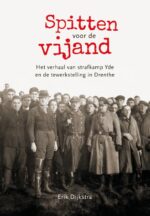
Spitten voor de vijand
€ 22,90Meer dan honderdduizend mannen werden vanaf september 1944 opgeroepen om te werken aan Duitse verdedigingswerken in Nederland. In de nog bezette provincies werden de arbeiders gedwongen tewerkgesteld aan de bouw van tankgrachten, loopgraven en schuttersputjes, vaak onder slechte omstandigheden. Voor de Duitsers was het belang groot om de geallieerden zo lang mogelijk tegen te houden. Er werd dan ook hard opgetreden tegen weigeraars.
Voor velen waren de principiële bezwaren te groot, zij besloten onder te duiken. Anderen hadden die mogelijkheid niet. Zij probeerden zich aan te passen aan de omstandigheden en saboteerden waar ze maar konden. Een groot deel van deze zogenoemde spitters zag kans om te vluchten of keerde niet terug van verlof. Zij waren daarna veroordeeld tot een leven als onderduiker. Zij die als onderduikers tijdens de vele razzia’s, of door verraad, werden gepakt, kwamen na een verblijf in een gevangenis in een strafkamp in Duitsland of Drenthe terecht.
Eén van die mannen was Eelke Dijkstra. Samen met dertig anderen werd hij in november 1944 vanuit het Huis van Bewaring in Leeuwarden overgebracht naar Yde, een klein Drents dorpje onder de rook van Groningen. Zijn oorlogsdagboek was voor zijn kleinzoon en auteur Erik Dijkstra aanleiding om onderzoek te doen naar het vergeten strafkamp in Yde. Wat volgde was een reis door de geschiedenis waarin bijzondere ontdekkingen werden gedaan en veel betrokkenen voor het eerst hun verhaal vertelden. Door intensief archiefonderzoek kwamen schokkende feiten boven water over vier gefusilleerde dwangarbeiders in november 1944. De vele brieven, dagboeken en getuigenissen vertellen samen het verhaal van strafkamp Yde en de tewerkstelling in Drenthe.
Erik Dijkstra is schrijver/journalist en doet al jaren onderzoek naar de tewerkstelling in Drenthe.