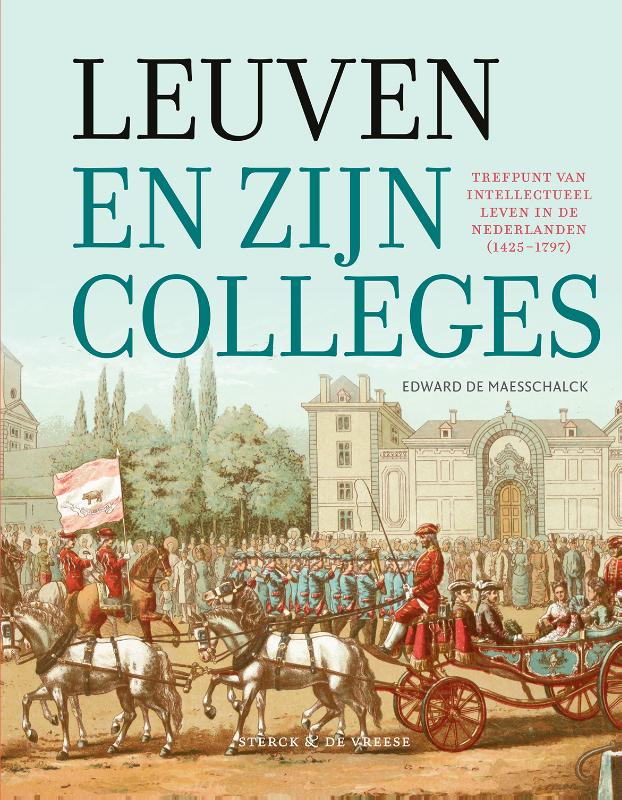
Leuven en zijn colleges
€ 29,90
Studenten komen al eeuwenlang uit alle windstreken van de Lage Landen naar de Katholieke Universiteit Leuven (gesticht in 1425). Van Artesië in het zuiden tot Friesland in het noorden. Filips Willem, zoon van Willem van Oranje, Marnix van Sint-Aldegonde, Johan van Oldenbarnevelt, Erasmus, Dodoens, Vesalius, Mercator, zelfs paus Adrianus van Utrecht, zaten er op de studiebanken. Leuven was hét trefpunt van het intellectuele leven in de Nederlanden. Edward De Maesschalck geeft een verrassend en vernieuwend beeld van een tot nu toe onderbelicht maar belangrijk facet van de universiteitsgeschiedenis: de colleges. Deze werden gesticht door weldoeners die hun bezittingen voorbestemden om tot ver na hun dood te voorzien in de kost en inwoning voor familieleden, streekgenoten of gewoon voor arme studenten. Het was mecenaat avant-la-lettre, een zeldzame kans om de maatschappelijke ladder te beklimmen.
Gerelateerde boeken
-
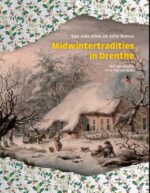
Midwintertradities in Drenthe
€ 24,00In dit boek komen historisch onderzoek naar Drentse Midwintertradities, Drentse volkskunde en Drentse literatuur over Midwintertradities samen. Het boek laat zien dat tradities veranderen, dat tradities verdwijnen (katknuppelen) maar dat er ook weer nieuwe tradities ontstaan (nieuwjaarsduik). Van veel Midwintergebruiken kent men de achtergrond en betekenis niet; in dit boek worden ze vanuit een historisch en volkskundig perspectief verklaard.
Door af te wisselen in het Drents en Nederlands kan ook de lezer die minder bekend is met het Drents zijn/haar kennis over de streektaal verbreden. Met dit doel zijn ook de bekende verhalen A Christmas Carol van Charles Dickens en Het meisje met de zwavelstokjes van Hans Christiaan Andersen vertaald in het Drents. Dickens speelt een belangrijke rol in Drenthe, tijdens Kerstmis worden er in Drenthe terugkerende activiteiten in de sfeer van Dickens georganiseerd wat daardoor ook een traditie geworden is.
Uniek is ook dat Drentse historische bronnen en documenten in het boek een plaats krijgen. Niet eerder werd op deze toegankelijke wijze de Drentse Midwintertradities beschreven. Behalve historische en volkskundige beschrijvingen zal het boek ook oude en moderne verhalen en gedichten bevatten over de Midwintertradities die onze mooie provincie kent en gekend heeft.
Het boek wordt rijk geïllustreerd door (historisch) beeldmateriaal wat verlevendigd maar ook informatief is.
Over de auteurs
Abel Darwinkel is tekstschrijver, redacteur en presentator bij Taal & Tekst. Abel schrijft verhalen in het Drents en het Nederlands en leest regelmatig voor uit eigen werk. Ruim vijftien jaar heeft hij gewerkt als streektaalfunctionaris bij het Huus van de Taol in Beilen.Henk Nijkeuter studeerde Nederlands en geschiedenis aan de lerarenopleiding Ubbo Emmius te Groningen. Hij volgde de opleiding tot archivaris aan de Rijksarchiefschool in Den Haag. Daarna voltooide hij de studie Nederlandse taal- en letterkunde aan de Rijksuniversiteit Groningen. In 2001 promoveerde hij aan de RUG op een proefschrift over het literaire bedrijf in Drenthe.Henk is thans hoofd Collecties en Publiek bij het Drents Archief te Assen.
Beeldredactie
Rik Klaucke studeerde journalistiek in Utrecht en beeldende kunst in Noorwegen. Hij werkte als bureauredacteur bij diverse landelijke televisie- en radioprogramma’s. Thans is Rik junior conservator van de afdeling beeld en geluid bij het Drents Archief te Assen. -
-
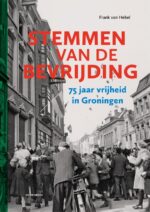
Stemmen van de bevrijding
€ 29,90‘Ik zou eigenlijk Aaltje heten,’ vertelt Victoria Liberta Schuur. Maar ze werd uiteindelijk niet naar haar grootmoeder genoemd, maar naar een Canadese tank waarop de woorden ‘Victory’ en ‘Liberty’ waren geverfd. Het echtpaar Schuur uit Wagenborgen zocht tijdens de bevrijding van hun dorp een veilig heenkomen in de schuilkelder van psychiatrisch centrum Groot Bronswijk tezamen met bijna duizend patiënten. Terwijl de kogels en granaten door de straten vlogen, kwam in de schuilkelder nieuw leven ter wereld.
Het verhaal van Ria Schuur is een van de vele en bijzondere verhalen in Stemmen van de Bevrijding, over 75 jaar vrijheid in stad en provincie Groningen. Dagblad van het Noordenjournalist en auteur Frank von Hebel schrijft onder meer over de dagenlange strijd om de stad Groningen, de evacuatie van Appingedam, plunderende Canadezen en de uitputtende vrouwenmars van 116 verzetsstrijders van Westerbork naar Visvliet. Hij stuitte bij zijn zoektocht op een verbijsterend dagboek over de lange zwerftocht van tientallen gezinnen in de regio Delfzijl die voor de gevechten vluchtten en hij sprak met een van de nabestaanden van de slachtoffers die na de bevrijding bij een munitie-ontploffing in Spijk om het leven kwamen.
‘Stemmen van de bevrijding’ is een samensmelting van interviews, dagboekfragmenten, ingezonden verhalen, uniek archiefmateriaal, artikelen en boeken.
Frank von Hebel is journalist bij Dagblad van het Noorden. Eerder schreef hij ‘Mesdag, het leven in een tbs-kliniek’, ‘Mijn Bevrijding’, ‘De slag om de stad Groningen’ en de thriller ‘Graf van klei’.