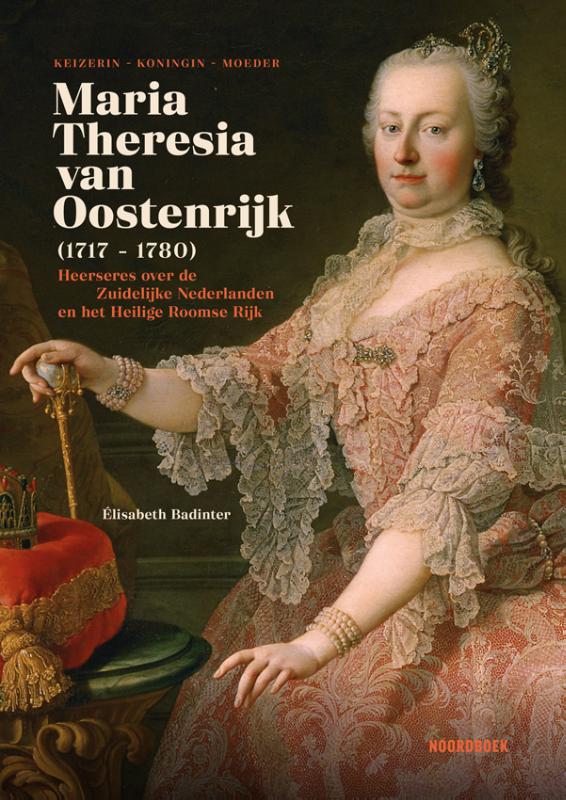
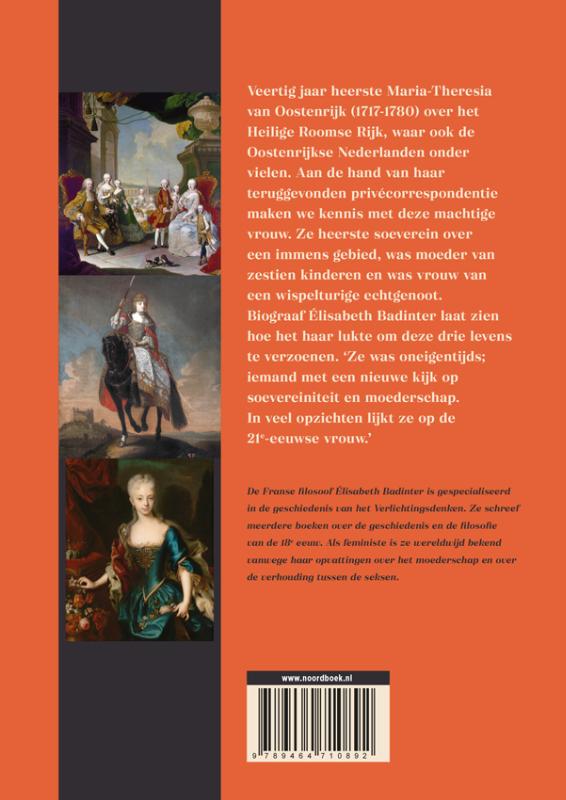
Maria-Theresia van Oostenrijk (1717-1780)
€ 27,90
Veertig jaar heerste Maria-Theresia van Oostenrijk (1717-1780) over het Heilige Roomse Rijk, waaronder ook de Oostenrijkse Nederlanden vielen. Aan de hand van haar teruggevonden privécorrespondentie maken we kennis met deze machtige vrouw. Ze heerste soeverein over een immens gebied, was moeder van zestien kinderen en getrouwd met een wispelturige echtgenoot.
Biografe Élisabeth Badinter laat zien hoe het haar lukte om deze drie levens met elkaar te verzoenen. ‘Ze was oneigentijds; iemand met een nieuwe kijk op soevereiniteit en moederschap. In veel opzichten lijkt ze op de 21e-eeuwse vrouw.’
De Franse filosofe Élisabeth Badinter is gespecialiseerd in de geschiedenis van het Verlichtingsdenken. Ze schreef meerdere boeken over de geschiedenis en de filosofie van de achttiende eeuw. Als feministe is ze wereldwijd bekend vanwege haar opvattingen over het moederschap en over de verhouding tussen de seksen.
Gerelateerde boeken
-
-
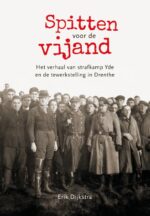
Spitten voor de vijand
€ 22,90Meer dan honderdduizend mannen werden vanaf september 1944 opgeroepen om te werken aan Duitse verdedigingswerken in Nederland. In de nog bezette provincies werden de arbeiders gedwongen tewerkgesteld aan de bouw van tankgrachten, loopgraven en schuttersputjes, vaak onder slechte omstandigheden. Voor de Duitsers was het belang groot om de geallieerden zo lang mogelijk tegen te houden. Er werd dan ook hard opgetreden tegen weigeraars.
Voor velen waren de principiële bezwaren te groot, zij besloten onder te duiken. Anderen hadden die mogelijkheid niet. Zij probeerden zich aan te passen aan de omstandigheden en saboteerden waar ze maar konden. Een groot deel van deze zogenoemde spitters zag kans om te vluchten of keerde niet terug van verlof. Zij waren daarna veroordeeld tot een leven als onderduiker. Zij die als onderduikers tijdens de vele razzia’s, of door verraad, werden gepakt, kwamen na een verblijf in een gevangenis in een strafkamp in Duitsland of Drenthe terecht.
Eén van die mannen was Eelke Dijkstra. Samen met dertig anderen werd hij in november 1944 vanuit het Huis van Bewaring in Leeuwarden overgebracht naar Yde, een klein Drents dorpje onder de rook van Groningen. Zijn oorlogsdagboek was voor zijn kleinzoon en auteur Erik Dijkstra aanleiding om onderzoek te doen naar het vergeten strafkamp in Yde. Wat volgde was een reis door de geschiedenis waarin bijzondere ontdekkingen werden gedaan en veel betrokkenen voor het eerst hun verhaal vertelden. Door intensief archiefonderzoek kwamen schokkende feiten boven water over vier gefusilleerde dwangarbeiders in november 1944. De vele brieven, dagboeken en getuigenissen vertellen samen het verhaal van strafkamp Yde en de tewerkstelling in Drenthe.
Erik Dijkstra is schrijver/journalist en doet al jaren onderzoek naar de tewerkstelling in Drenthe.
-