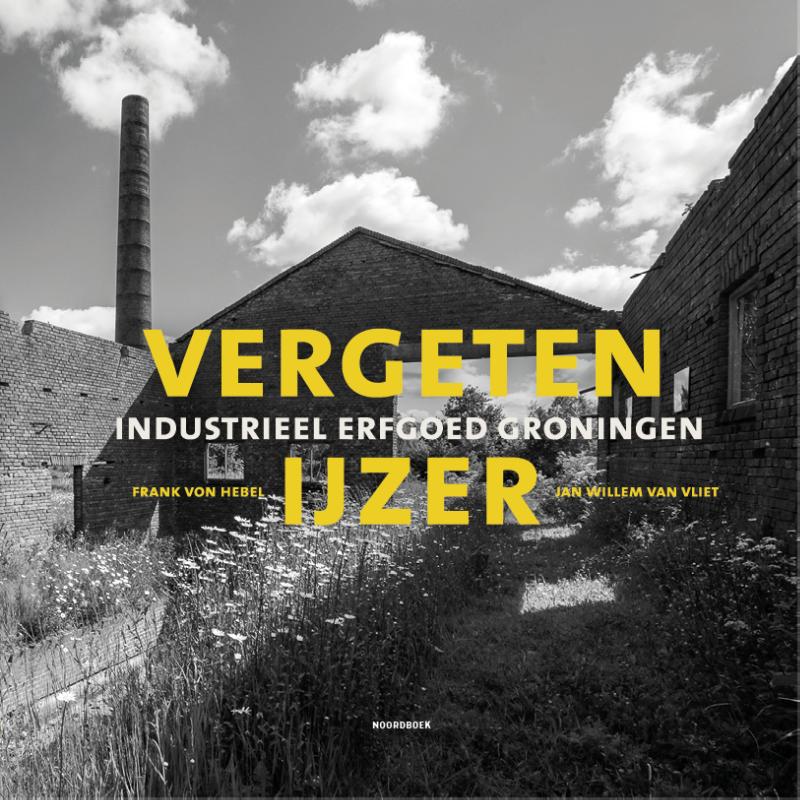
Vergeten ijzer
€ 24,90
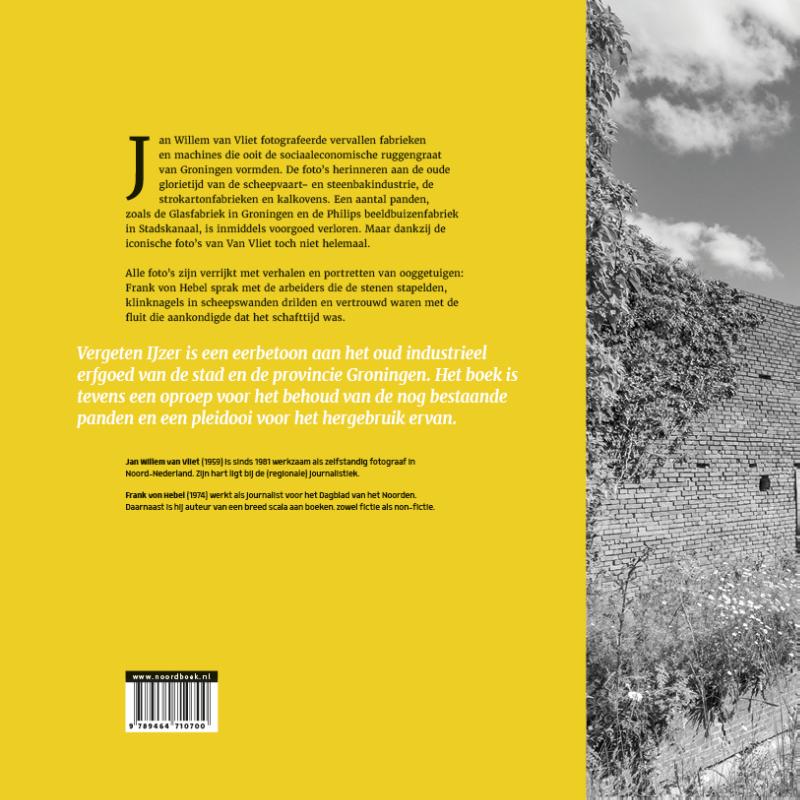
Jan Willem van Vliet fotografeerde vervallen fabrieken en machines die ooit de sociaaleconomische ruggengraat van Groningen vormden. De foto’s herinneren aan de oude glorietijd van de scheepvaart- en steenbakindustrie, de strokartonfabrieken en kalkovens. Een aantal panden, zoals de Glasfabriek in Groningen en de Philips beeldbuizenfabriek in Stadskanaal, is inmiddels voorgoed verloren. Maar dankzij de iconische foto’s van Van Vliet toch niet helemaal.
Alle foto’s zijn verrijkt met verhalen en portretten van ooggetuigen: Frank von Hebel sprak met de arbeiders die de stenen stapelden, klinknagels in scheepswanden drilden en vertrouwd waren met de fluit die aankondigde dat het schafttijd was.
Vergeten IJzer is een eerbetoon aan het oud industrieel erfgoed van Groningen en een pleidooi voor het hergebruik ervan.
Jan Willem van Vliet (1959) is sinds 1981 werkzaam als zelfstandig fotograaf in Noord-Nederland. Zijn hart ligt bij de (regionale) journalistiek.
Frank von Hebel (1974) werkt als journalist voor het Dagblad van het Noorden. Daarnaast is hij auteur van een breed scala aan boeken, zowel fictie als non-fictie.
“De schoonheid van het verval van Gronings erfgoed” – RTV Noord
Gerelateerde boeken
-
-
-
-
Dichter bij Vincent
€ 29,95Zijn hele carrière beeldde Vincent van Gogh alledaagse objecten uit in zijn tekeningen en schilderijen. Enkele van zijn materiële attributen zijn dankzij Vincents schoonzus Jo van Gogh-Bonger (1862-1925) bewaard gebleven, zoals een Franse aardewerken bloemenvaas, een Normandische koperen melkkruik en een Franse rieten stoel waarin een aantal van zijn Franse modellen poseerden. Veel van zijn befaamde bloemstillevens tonen ‘vazen’ die dit eigenlijk niet zijn. Vincent plaatste zijn boeketten in uiteenlopende objecten, zoals majolica apothekerspotten en aardewerken voorraadpotten. Sommige objecten bieden soms verrassende inzichten in de ontstaansgeschiedenis van zijn werk. Uit recent onderzoek van kunsthistorica Alexandra van Dongen blijkt dat een precieze identificatie van alledaagse objecten soms nieuw licht kan werpen op de mogelijke plaats van vervaardiging en de datering van zijn werk. Zo blijkt een doodeenvoudige aardewerken steelpan, afgebeeld op zijn Stilleven met aardappels, afkomstig te zijn uit het Zuid-Franse pottenbakkerscentrum Vallauris. Alexandra van Dongen richt onze ogen op kleine details, op voorwerpen waar we gewoonlijk geen acht op slaan, maar die wel bijzonder betekenisvol zijn om het werk van Van Gogh nog beter te doorgronden